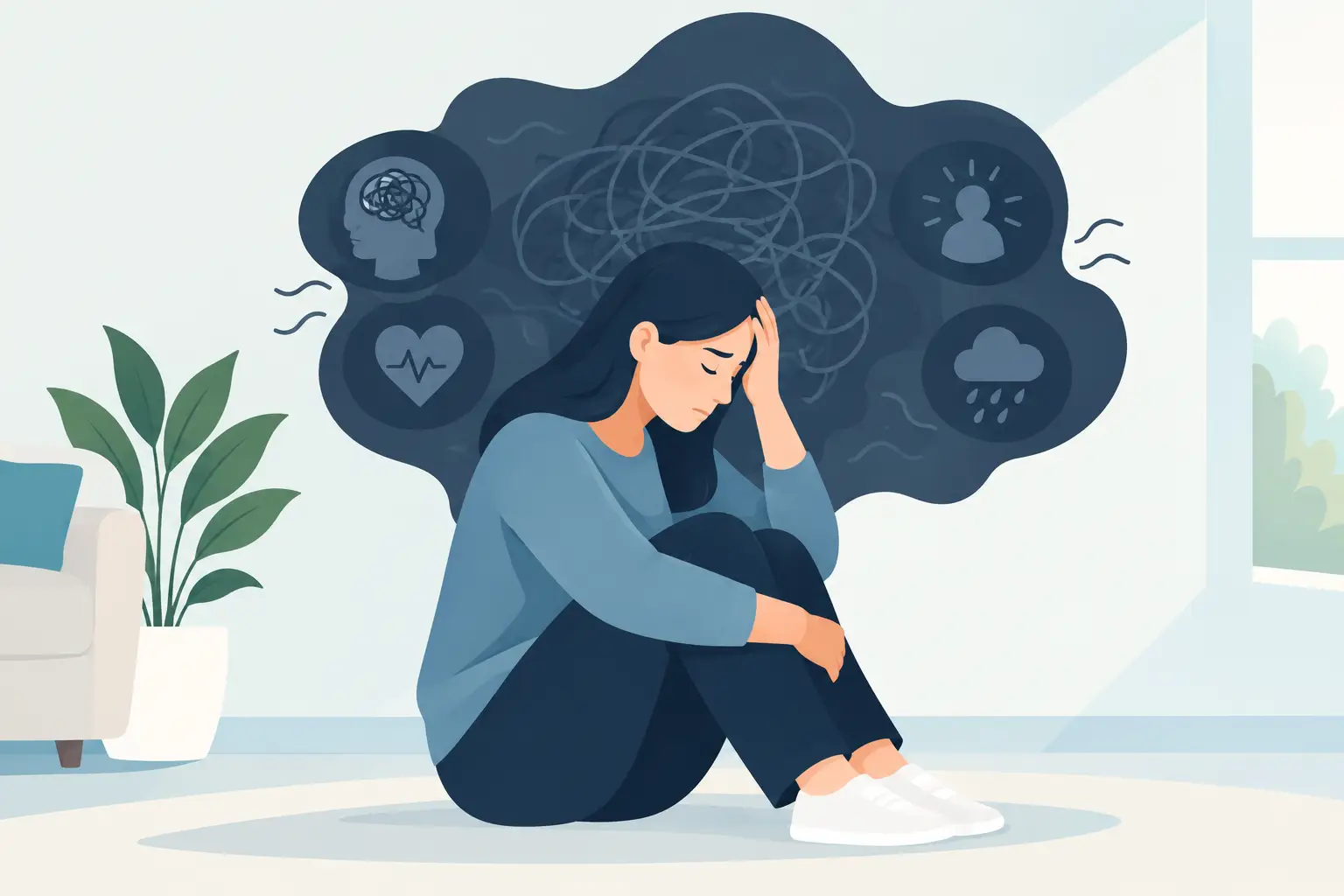
A busy calendar can make anxiety easy to explain away. You may tell yourself that anyone would feel tense while caring for children, meeting deadlines, starting college, managing a pregnancy, or supporting an aging parent. Stress is a normal response to real demands. The question of when is anxiety severe is less about whether you can name a reason for it and more about what it is costing you in your daily life.
Severe anxiety can make ordinary responsibilities feel unmanageable, narrow your world, and leave little room for rest, connection, or enjoyment. It is not a personal failure, and you do not have to wait until you are in crisis to ask for support.
When Is Anxiety Severe Enough to Seek Help?
Anxiety becomes clinically concerning when it is intense, persistent, difficult to control, or disruptive to functioning. A person may still be going to work, attending class, or caring for a family while struggling significantly. Outward productivity does not mean the symptoms are mild.
Severity often shows up in the gap between how life looks from the outside and how hard it feels on the inside. Perhaps you spend hours replaying conversations, cannot stop anticipating worst-case outcomes, or need extensive reassurance before making routine decisions. Maybe you arrive at obligations but feel physically ill beforehand, avoid speaking up, or need the rest of the day to recover.
A psychiatric evaluation can help clarify whether anxiety is part of a specific anxiety disorder, depression, trauma-related symptoms, ADHD-related overwhelm, a medication or medical issue, or a response to a major life transition. The purpose is not to put you in a box. It is to understand the full picture and build a plan that fits your goals and responsibilities.
Signs Anxiety Is Affecting Your Functioning
Symptoms deserve attention when they interfere with sleep, relationships, school, work, health, or your ability to do necessary tasks. The impact may be obvious, such as calling out of work because of panic, but it can also be quieter. Someone may avoid checking email, delay appointments, decline invitations, or stay awake planning for every possible problem.
Physical symptoms matter too. Anxiety may cause a racing heart, chest tightness, shortness of breath, nausea, stomach discomfort, shaking, sweating, headaches, muscle tension, fatigue, or difficulty concentrating. These symptoms can feel frightening, especially during a panic attack. Because physical symptoms can also have medical causes, new, severe, or concerning symptoms should be evaluated promptly by an appropriate medical professional.
Consider seeking professional support if anxiety is present most days for several weeks, feels out of proportion to the situation, or keeps returning even after a stressor has passed. It is also reasonable to schedule an appointment sooner if you are relying on alcohol, cannabis, nicotine, overwork, avoidance, or other coping habits just to get through the day.
For adolescents, severe anxiety may look different. A teen may become increasingly irritable, have frequent stomachaches or headaches, resist school, withdraw from friends, seek repeated reassurance, or struggle to begin assignments. These changes are worth discussing rather than dismissing as a phase or lack of motivation.
Anxiety Can Be Severe Even If You Keep Functioning
Many high-achieving adults live with significant anxiety for years because they can still meet expectations. They may be praised as dependable while privately experiencing relentless worry, perfectionism, insomnia, or exhaustion. In these situations, anxiety may be fueling performance, but at a steep cost.
This pattern is common among professionals, caregivers, students, and parents who have learned to push through. Treatment does not have to mean giving up your standards or responsibilities. It can mean finding ways to function without being driven by fear, dread, or constant self-criticism.
Patterns That Often Need More Support
Some forms of anxiety call for timely assessment because they can quickly limit a person’s life. Panic attacks that lead to fear of leaving home, driving, being alone, or entering crowded places are one example. Social anxiety that causes someone to avoid class participation, job opportunities, dating, or important conversations is another.
Trauma-related anxiety may include feeling constantly on guard, startling easily, having intrusive memories, or avoiding reminders of what happened. Anxiety can also intensify during pregnancy, after childbirth, during fertility treatment, or amid hormonal and reproductive changes. Intrusive, upsetting thoughts after having a baby can be especially distressing. Having an unwanted thought does not mean you will act on it, but it does warrant compassionate, prompt clinical support.
Work-related overwhelm can become severe when concentration drops, small requests feel impossible, or Sunday evening brings intense dread. Relationship stress and caregiver strain can have a similar effect, particularly when there is little time to recover. The cause of anxiety matters, but so does the support available to you.
What a Psychiatric Assessment Can Clarify
A thoughtful assessment looks beyond a symptom checklist. It may include when symptoms began, what makes them better or worse, sleep patterns, medical history, medications, substance use, trauma history, family history, and the demands you are carrying at home, school, or work.
This matters because treatment depends on the pattern. For some people, supportive psychotherapy and practical coping strategies may be a good starting point. For others, medication management may help reduce persistent physical anxiety, panic, or intrusive worry enough that therapy skills become easier to use. Many people benefit from a combination. The right approach depends on your symptoms, preferences, health history, pregnancy or postpartum considerations, and prior treatment experiences.
Screening questionnaires can be useful for tracking symptoms over time, but a score alone does not determine how serious your anxiety is. A clinician should consider your lived experience and level of impairment, not only a number.
Secure telehealth can make psychiatric care more accessible for people across Florida who are balancing jobs, school, caregiving, transportation limitations, or changing schedules. A private appointment still allows time to discuss symptoms, ask questions about options, and create a treatment plan that is realistic for your life.
When Anxiety Is an Emergency
Most anxiety symptoms can be addressed through outpatient care, but some situations require immediate help. Call 911, call or text 988, or go to the nearest emergency department if you are thinking about harming yourself or someone else, feel unable to stay safe, are experiencing severe confusion, or are having symptoms that may be a medical emergency.
Do not rely on a routine telehealth appointment, a patient portal, or an email for urgent safety needs. If you are unsure whether a physical symptom is anxiety or a medical emergency, it is safer to seek urgent medical evaluation.
Taking the Next Step Without Waiting for a Breaking Point
You do not need to prove that your anxiety is severe enough before reaching out. If worry is taking more from your life than you want to give it, that is meaningful information. Before an appointment, it can help to notice when symptoms occur, how they affect sleep and functioning, and what you have already tried. You do not need to have the right words or a complete answer.
At Psychiatric Care Associates, care begins with listening to the context behind symptoms, not rushing to a one-size-fits-all solution. Whether anxiety has recently intensified or has been quietly shaping your choices for years, asking for support can be a practical step toward feeling more present in your own life.
Leave a Reply