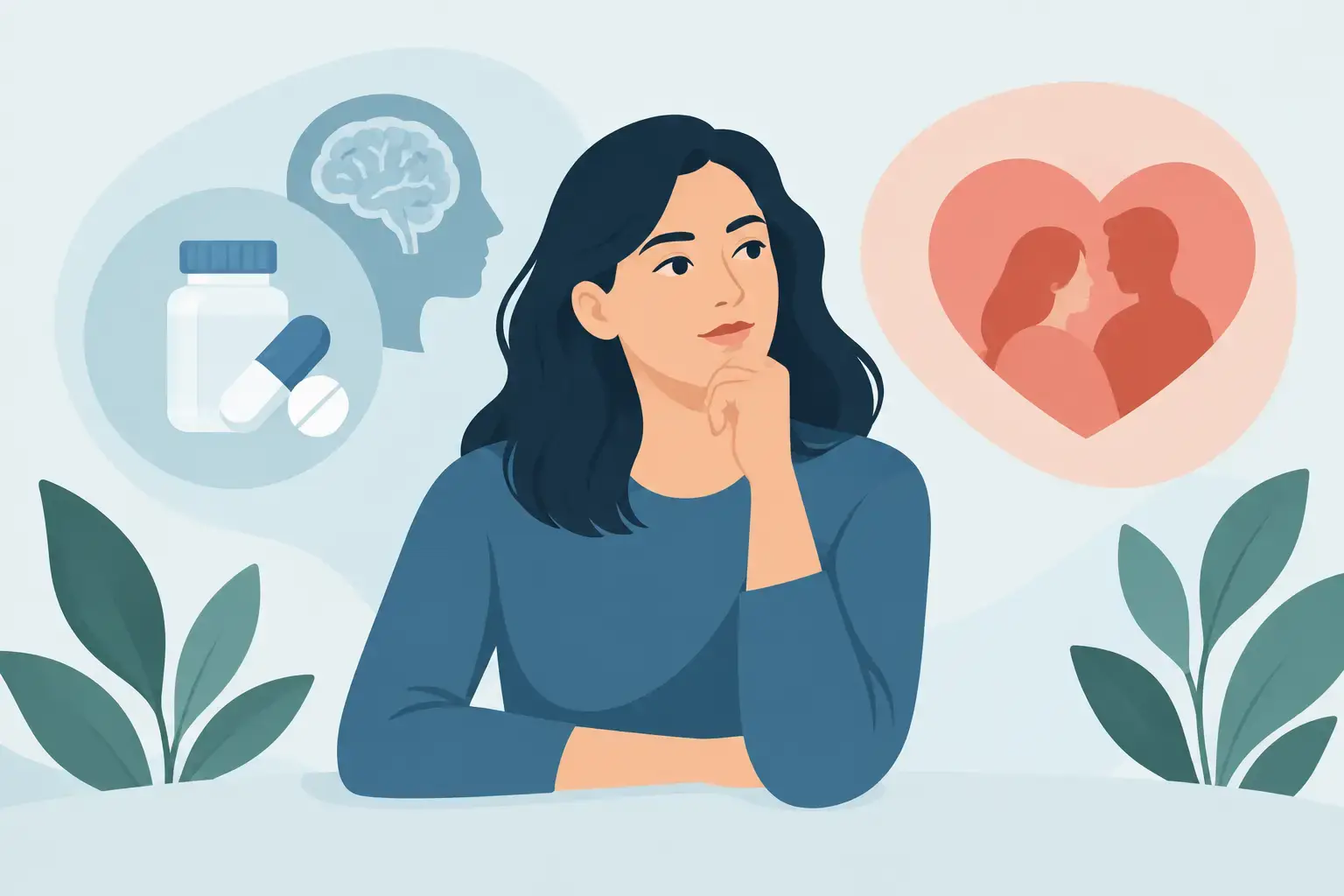
A medication can be helping you get out of bed, focus at work, feel less panicked, or reconnect with people you love – and still leave you worried about changes in your sex life. If you are asking, “do antidepressants affect libido?” the short answer is yes, they can. But the fuller answer is more personal: depression, anxiety, relationship stress, hormones, sleep, medical conditions, and the specific medication all can affect desire and sexual functioning.
Sexual side effects are common enough to deserve a direct, nonjudgmental conversation with your prescriber. They are not a reason to feel embarrassed, and they do not mean you have to choose between mental health treatment and a satisfying intimate life.
Do antidepressants affect libido and sexual function?
Antidepressants may affect libido, meaning sexual desire, as well as arousal, physical sensation, lubrication, erection quality, orgasm, or ejaculation. Some people notice one change; others notice several. For some, the changes are mild or temporary. For others, they are significant enough to affect confidence, a close relationship, or willingness to continue medication.
Selective serotonin reuptake inhibitors, often called SSRIs, and serotonin-norepinephrine reuptake inhibitors, or SNRIs, are among the medication classes most often associated with sexual side effects. These medications can be very effective for depression and anxiety, but the way they increase serotonin can also interfere with sexual interest and response for some patients.
That does not mean every person taking an SSRI or SNRI will have these effects. Dose, individual biology, other medications, alcohol or substance use, stress level, and underlying health conditions all matter. Two people taking the same medication at the same dose may have very different experiences.
Depression and anxiety can affect libido, too
It can be difficult to tell whether a change in libido is caused by medication, the condition being treated, or both. Depression itself commonly reduces interest in sex. It can bring fatigue, low self-esteem, emotional numbness, trouble concentrating, sleep disruption, and less pleasure in activities that once felt meaningful. Anxiety can make it hard to feel present or safe enough to relax during intimacy.
This is why timing matters. If sexual concerns began before medication, improved somewhat as mood improved, then returned or worsened after a dose change, that pattern gives useful information. A careful medication visit should make room for that timeline rather than assuming there is one simple cause.
Life circumstances matter as well. Many people in demanding seasons of life are managing work pressure, college demands, caregiving, parenting, pregnancy or postpartum changes, chronic illness, or relationship strain. Low desire in those situations is not necessarily a medication problem, and it is not a personal failure. Still, it deserves attention.
Which sexual side effects might occur?
Sexual side effects can look different from person to person. You may notice less spontaneous desire, difficulty becoming aroused, reduced genital sensitivity, delayed orgasm, inability to orgasm, or changes in erection and ejaculation. Some people feel emotionally better overall but describe sex as less physically responsive or less pleasurable.
For women and people who experience vaginal dryness, arousal changes can make intimacy uncomfortable. For men and people who have erections, erectile difficulties may arise from medication, depression, anxiety, cardiovascular concerns, diabetes, hormone changes, or several factors together. Sexual function is a whole-body experience, so a thoughtful assessment often goes beyond the prescription bottle.
Young adults and adolescents may be especially hesitant to bring up these effects, particularly in a first psychiatric appointment. Confidential, age-appropriate conversations can help patients understand what is happening and how to ask questions. Patients should never feel pressured to disclose more than they are comfortable sharing, but they should know sexual side effects are a valid health concern.
What to do if libido changes after starting an antidepressant
The most useful first step is to tell the clinician who prescribes your medication. Be as specific as you can about what changed, when it started, whether it followed a dose increase, and how much it is affecting your life. This information helps guide decisions far more effectively than simply saying a medication is “not working.”
Do not stop an antidepressant suddenly or skip doses to try to improve sexual function unless your prescriber tells you to do so. Stopping abruptly can lead to withdrawal symptoms and a return or worsening of depression, anxiety, panic, or irritability. Taking medication inconsistently may also create more uncertainty about what is causing the problem.
Your prescriber may first consider whether waiting is reasonable. Some side effects improve after the first several weeks as your body adjusts. If the concern continues, there may be other options. Depending on your diagnosis, treatment history, symptoms, and medical needs, a clinician might consider adjusting the dose, changing the time you take a medication, switching to a medication with a lower likelihood of sexual side effects, or adding another treatment approach.
There is no universal “best” antidepressant for libido. A medication that is a good fit for one person may be ineffective or poorly tolerated by another. The goal is not simply to remove a side effect. It is to find a plan that protects your mental health while respecting your relationships, identity, physical comfort, and daily responsibilities.
A conversation worth having with your prescriber
You do not need clinical language to raise the topic. You might say, “My mood is improving, but my desire has changed,” or “I am having trouble reaching orgasm since starting this medication.” You can also mention whether you are dating, partnered, trying to conceive, pregnant, postpartum, breastfeeding, or dealing with changes related to perimenopause or menopause. Those details may affect treatment planning.
It can help to discuss other contributors openly, including sleep, pain, hormonal contraception, medical conditions, alcohol, cannabis, and other prescriptions. If relationship stress is part of the picture, supportive psychotherapy or couples counseling may be helpful alongside medication management. Medication is one part of care, not the entire plan.
For people with reproductive or perinatal mental health concerns, medication decisions can feel especially high-stakes. Untreated depression and anxiety can affect sleep, functioning, bonding, relationships, and physical health. At the same time, it is reasonable to want clear information about side effects and alternatives. A collaborative prescriber will help you weigh benefits and risks in the context of your specific situation rather than offering a one-size-fits-all answer.
Sexual well-being belongs in mental health care
Sexual side effects are sometimes missed because appointments are short or because patients expect a clinician to ask first. At Psychiatric Care Associates, medication management is designed to begin with listening: understanding not only whether symptoms are improving, but also how treatment is affecting your energy, relationships, body, work, school, and everyday life.
A good treatment plan leaves room for adjustment. If an antidepressant is helping your depression but affecting intimacy, that is meaningful clinical information, not a minor inconvenience you should silently tolerate. Bring it up at your next visit. You deserve care that takes both your mental health and your quality of life seriously.
Leave a Reply