Author: PCAadmin

  • Virtual Versus In-Person Psychiatry Compared

    Virtual Versus In-Person Psychiatry Compared

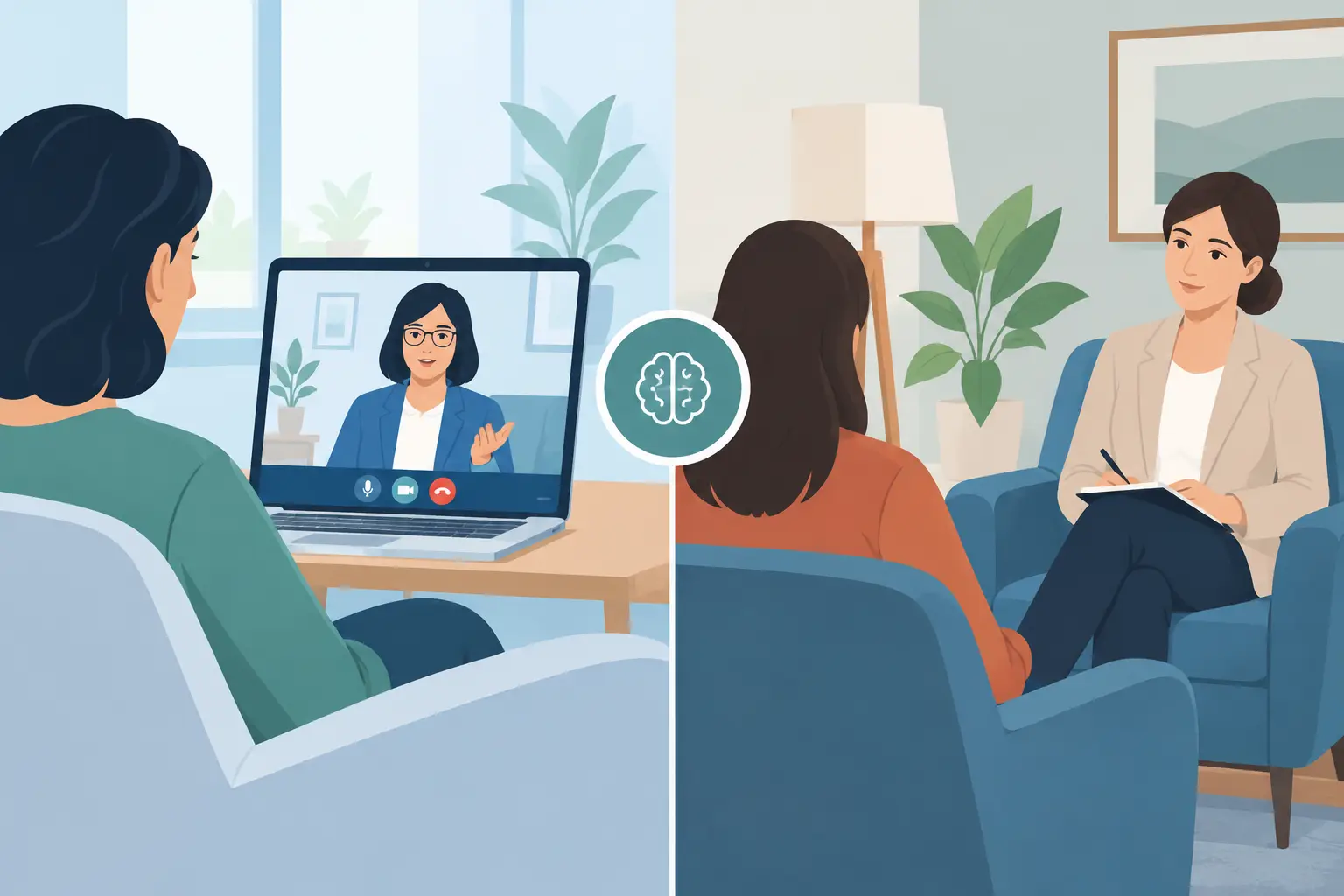
    A psychiatric appointment should make room for the full picture: the anxiety that worsens before a presentation, the exhaustion after caring for everyone else, the concentration problems affecting school or work, or the mood changes that arrived during pregnancy or postpartum. When considering virtual versus in-person psychiatry, the most useful question is not which format is universally better. It is which setting helps you speak honestly, follow through with care, and receive treatment that fits your real life.

    For many Florida residents, secure telehealth makes consistent psychiatric care more possible. For others, meeting face-to-face offers reassurance, structure, or a private space they do not have at home. Both can support thoughtful evaluation, diagnosis, medication management, education, and supportive psychotherapy when the care is appropriate for the individual.

    Virtual Versus In-Person Psychiatry: The Core Difference

    The clinical goals of psychiatric care do not change simply because the appointment happens by video. A qualified psychiatric provider still listens carefully, reviews symptoms and medical history, considers diagnoses, discusses treatment options, monitors medication response, and develops a plan with you. The difference is largely the setting and what that setting makes easier or harder.

    Virtual psychiatry takes place through a secure video platform, typically from a private location you choose. In-person psychiatry occurs in an office, where the provider and patient meet in the same room. Neither format should mean rushed care or a medication-only conversation. A meaningful appointment requires time to understand symptoms in context, including sleep, relationships, work demands, family responsibilities, trauma history, physical health, and personal goals.

    For many outpatient concerns, telehealth can be a clinically appropriate option. This may include anxiety, depression, ADHD, social anxiety, relationship stress, caregiver strain, work-related overwhelm, and many reproductive or perinatal mental health concerns. The right choice still depends on your needs, safety, access to privacy, and the level of support required.

    When Virtual Psychiatry May Be a Strong Fit

    Telehealth can remove obstacles that often delay mental health care. A person managing a demanding job may be able to attend an appointment during a lunch break instead of taking several hours away from work. A college student may have more consistency when travel is not required. A new parent, caregiver, or person living far from specialty care may find that secure video visits make follow-up realistically sustainable.

    This convenience is not a small benefit. Psychiatric treatment often works best when appointments can be kept consistently, especially during medication changes, periods of increased stress, or early treatment planning. Flexible morning, lunchtime, evening, or select weekend appointments may also make it easier to seek care before symptoms become more disruptive.

    Telehealth can be particularly helpful when a patient feels more at ease in a familiar environment. Some people find it easier to describe panic, trauma-related symptoms, depressed mood, intrusive thoughts, or relationship strain from home. They may feel less pressure than they would in an unfamiliar office. For someone with ADHD, avoiding a commute and waiting room can also reduce the executive-function barriers that make it difficult to attend appointments.

    Virtual care does require preparation. A dependable internet connection, a device with video capability, and a quiet, private place matter. Privacy deserves special attention for adolescents, adults living with family or roommates, and people in controlling or unsafe relationships. Sitting in a parked car may sometimes be the most private option available, but it is worth considering whether the location is comfortable, confidential, and safe enough for a focused conversation.

    When In-Person Psychiatry May Feel More Supportive

    Some patients simply prefer the experience of being in the room with a provider. The physical separation between home and an appointment can create a helpful sense of structure, especially for people whose home environment is busy, stressful, or lacking privacy. An office can offer a protected setting to talk without worrying about who may overhear.

    In-person visits may also be preferable when a patient is having difficulty engaging by video, has technology limitations, or wants more direct support during a complex evaluation. Nonverbal communication can be observed in either format, but being together in the same space may feel more natural to some people. This is a personal preference, not a sign that telehealth is less legitimate.

    Certain clinical situations call for a higher level of assessment or support than routine outpatient telehealth can provide. A person with severe symptoms, rapidly changing functioning, significant substance-related concerns, acute confusion, or an immediate safety risk may need in-person evaluation, urgent services, crisis care, or emergency treatment. Telehealth is not designed to replace emergency response.

    The Questions That Matter More Than the Format

    Choosing between virtual and in-person care becomes clearer when you consider the practical and clinical details. Ask yourself whether you can speak privately from home, whether travel creates a barrier, and which setting would help you attend regularly. Think about what happens when you are overwhelmed: Would getting to an office feel grounding, or would it become one more task that prevents you from getting support?

    It also helps to consider the kind of care you need now. An initial psychiatric evaluation should be comprehensive in either setting. You should have room to discuss what brought you in, how long symptoms have been present, what has helped or not helped, your health history, current medications, family history, and the ways symptoms affect daily life. If ADHD is a concern, the evaluation should also explore attention, organization, impulsivity, developmental history, and functioning across settings rather than relying on a brief checklist alone.

    For medication management, the quality of follow-up often matters more than whether it is virtual or in person. A careful follow-up includes discussion of benefit, side effects, sleep, appetite, mood changes, adherence, and questions about the plan. Treatment should be adjusted thoughtfully, with attention to your responsibilities and preferences. During pregnancy, postpartum, or other reproductive-life transitions, that discussion should include the particular risks, benefits, and goals relevant to your situation.

    Good Psychiatric Care Should Still Feel Personal

    A video visit can feel personal. An office visit can feel impersonal. The format alone does not determine whether you are heard.

    Look for care that starts with listening and treats you as more than a set of symptoms. A thoughtful provider explains what they are considering diagnostically, invites questions, and collaborates on a treatment plan. They recognize that an effective plan for a teacher, student, new parent, caregiver, or working professional must account for time, energy, finances, and daily demands.

    At Psychiatric Care Associates, secure telehealth appointments are designed to provide comprehensive outpatient psychiatric care for adolescents and adults throughout Florida. The purpose is not to fit every person into the same treatment path. It is to understand what is happening in your life and build a plan that is clinically sound, practical, and respectful of your goals.

    Cost and access are part of that practicality. Before beginning care, ask about insurance participation, private-pay fees, sliding-scale availability, cancellation policies, and how prescriptions and follow-up visits are handled. Clear information can reduce uncertainty and help you choose care that you can maintain.

    Safety Comes First, Whatever Format You Choose

    Outpatient psychiatry is appropriate for many mental health needs, but it has limits. If you or someone else is in immediate danger, if there are thoughts of suicide with intent or a plan, or if symptoms feel impossible to manage safely, call 911 or 988, go to the nearest emergency department, or seek immediate local crisis support. Do not wait for a routine appointment or use a patient portal for urgent help.

    You do not need to choose the “perfect” format before reaching out. You need a setting where you can be honest, feel reasonably safe and private, and return often enough for care to make a difference. The best next step is the one that gives your mental health the attention it deserves.


  • Weekend Psychiatric Appointments in Florida

    Weekend Psychiatric Appointments in Florida

    Weekend psychiatric appointments Florida patients can access can make a meaningful difference when weekdays are already spoken for. A parent may spend Saturday morning catching up on laundry, school forms, and meals for the week. A college student may finally have quiet space away from classes. A professional may be able to speak openly without worrying that a work meeting will interrupt. Flexible psychiatric care is not simply about convenience. It can be what makes consistent care possible.

    For adolescents and adults managing anxiety, depression, ADHD, trauma-related concerns, reproductive or perinatal mental health needs, and ongoing stress, treatment needs to fit alongside real responsibilities. A secure telehealth appointment on a weekend can provide time to discuss what has been happening, ask questions, and build a plan without adding another difficult weekday absence.

    Why weekend psychiatric care can matter

    Mental health symptoms do not follow a business-hours schedule. Anxiety may become more noticeable when the week slows down. Depression can make it hard to prepare for another demanding Monday. ADHD challenges may show up most clearly while trying to organize a household, complete assignments, or manage a long list of unfinished tasks.

    For many people, the barrier is not a lack of motivation to seek care. It is finding an appointment time that does not require them to choose between their health and a paycheck, class attendance, child care, caregiving, or privacy at work. Weekend availability can reduce that friction, especially when the appointment is held through a secure telehealth platform from a private location in Florida.

    This option may be particularly helpful for people whose needs are easy to postpone. Someone coping with postpartum anxiety may spend every weekday focused on the baby and household. A caregiver may put their own sleep problems and low mood aside while managing another person’s appointments. A student may wait until academic pressure becomes overwhelming. Making room for psychiatric care is not selfish. It is part of protecting your ability to function and care for the parts of life that matter to you.

    What weekend psychiatric appointments in Florida can include

    A weekend visit should still be thoughtful, clinically appropriate care, not a rushed medication refill. Depending on your needs and appointment type, psychiatric services may include a comprehensive evaluation, diagnostic assessment, individualized treatment planning, medication management, supportive psychotherapy, and practical education about symptoms and treatment options.

    At Psychiatric Care Associates, care begins with listening to the full context. Symptoms matter, but so do sleep, relationships, work demands, family history, physical health, past treatment experiences, pregnancy or postpartum changes, and the goals you have for your daily life. A diagnosis can be useful when it clarifies what is happening, but it is only one part of the picture.

    Initial evaluations need adequate time

    An initial psychiatric evaluation is a chance to talk through concerns in detail. You may discuss when symptoms began, what makes them better or worse, prior medications or therapy, substance use when relevant, medical history, and family mental health history. For ADHD concerns, the conversation may also explore attention, organization, impulsivity, emotional regulation, academic or work functioning, and patterns that have been present over time.

    The purpose is not to force a quick label. It is to develop an informed clinical understanding and decide what next steps are appropriate. Sometimes that includes medication. Sometimes supportive therapy, behavioral strategies, referral coordination, further assessment, or attention to sleep and stress patterns may be central to the plan.

    Follow-up care supports adjustment over time

    Medication management is most helpful when it includes regular check-ins. A follow-up appointment can address benefits, side effects, dosing questions, sleep, appetite, mood changes, and whether the current plan still fits your circumstances. A medication that once worked well may need adjustment during a major life transition, after a change in health status, or when stress levels increase.

    Weekend follow-ups can be useful for patients who need continuity but cannot easily step away during the work or school day. They also create space to discuss concerns before they become reasons to stop treatment on your own. Any changes to psychiatric medication should be made with clinical guidance whenever possible.

    Is telehealth a good fit for your situation?

    For many Florida residents, telehealth makes psychiatric treatment more accessible. You can meet from home, a private office, or another confidential setting without spending time in traffic or traveling long distances. It can be especially practical for people in areas with fewer local psychiatric options, people with limited transportation, parents balancing child care, and those who prefer the comfort of a familiar environment.

    Telehealth does require preparation. Choose a quiet, private location with a reliable internet connection and use headphones if others are nearby. Before the appointment, write down the symptoms, medication questions, recent changes, and goals you want to discuss. If you are meeting for ADHD, anxiety, depression, or perinatal concerns, examples from daily life can be more helpful than trying to summarize everything in a single phrase.

    For adolescents, involvement from a parent or guardian may be appropriate depending on age, consent requirements, and the clinical situation. Privacy remains an important part of care, and the provider can explain how confidential conversations are handled within the boundaries of safety and applicable law.

    Telehealth is not the best setting for every need. If you are experiencing a medical emergency, immediate risk of harming yourself or someone else, severe confusion, or another urgent mental health crisis, call 911, contact 988, or go to the nearest emergency department. A routine outpatient telehealth visit or patient portal is not designed for emergency support.

    How to make a weekend appointment worthwhile

    You do not need to arrive with a perfect explanation of what is wrong. A simple starting point is enough: “I have been overwhelmed for months,” “I cannot focus even when I try,” or “I do not feel like myself since having my baby.” Honest details help your clinician understand both the symptoms and the pressures around them.

    It can also help to bring practical information. Have a current medication list available, including supplements and doses. If you have tried psychiatric medications before, note what helped, what did not, and any side effects. Consider tracking sleep, mood, panic episodes, concentration problems, menstrual or pregnancy-related changes, or other patterns in the days before your visit. These details can support a more precise treatment conversation.

    Be prepared to talk about what you want care to improve. Your goal may be getting through work without panic, finishing coursework, feeling more present with your family, sleeping more consistently, reducing intrusive thoughts, or having a clearer understanding of ADHD symptoms. Good treatment planning connects clinical recommendations to those everyday outcomes.

    Flexible scheduling should still feel personal

    Weekend availability is valuable, but the quality of the interaction matters just as much. Psychiatric care should leave room for questions, informed choices, and a plan you can realistically follow. The right approach depends on your symptoms, health history, preferences, finances, insurance coverage, and the support available in your life.

    If weekday appointments have kept you from getting help, a weekend telehealth visit may offer a more workable first step. You deserve care that takes your concerns seriously and recognizes that your schedule is part of your health, not an inconvenience to be ignored.

  • Women’s Mental Health Florida: Care That Fits Life

    Women’s Mental Health Florida: Care That Fits Life

    A woman can be managing a demanding job, caring for children or parents, keeping up with school, and appearing capable to everyone around her while feeling increasingly depleted inside. When sleep changes, worry becomes constant, irritability rises, or sadness makes ordinary tasks feel heavy, it is easy to dismiss those experiences as stress. Women’s mental health Florida care creates space to look more closely at what is happening and to identify support that fits a person’s actual life.

    Mental health symptoms do not occur apart from the body, relationships, responsibilities, and life transitions that shape daily experience. For many women, care is most helpful when it includes thoughtful assessment, clear clinical guidance, and a plan that respects both the seriousness of symptoms and the realities of family, work, school, and reproductive health.

    Why women’s mental health needs a whole-person view

    Anxiety and depression can affect anyone, but women may experience them alongside concerns that require additional context. Hormonal shifts, pregnancy, postpartum adjustment, fertility treatment, miscarriage, menopause, chronic health conditions, caregiving demands, relationship strain, and workplace pressure can all influence mood, concentration, sleep, and stress tolerance.

    That does not mean every emotional change is caused by hormones or that distress should be minimized as a normal part of womanhood. It means a careful evaluation should ask the right questions. Symptoms that first appear after childbirth may require a different conversation than long-standing anxiety that becomes worse during a high-pressure season at work. Difficulty focusing may relate to ADHD, anxiety, trauma, depression, sleep disruption, or more than one of these at once.

    A listening-first approach helps prevent quick assumptions. A psychiatric evaluation can explore symptoms, medical and reproductive history, current medications, prior treatment, substance use, trauma history when relevant, family history, and the practical demands a patient is carrying. The goal is not simply to assign a label. It is to understand what is interfering with well-being and functioning, then develop a treatment plan that makes sense for the individual.

    Common reasons women seek psychiatric care

    Some patients seek care because they feel persistently worried, restless, or unable to quiet racing thoughts. Others notice low mood, emotional numbness, loss of interest, guilt, changes in appetite, or fatigue that does not improve with rest. Many describe overwhelm rather than using the words anxiety or depression.

    Attention and executive-function concerns are another common reason to seek help. Women with ADHD are sometimes overlooked, especially when they learned to compensate through perfectionism, overpreparation, or working far longer than others to stay organized. Symptoms may become more noticeable when life becomes less structured, such as during college, early parenthood, a career change, or a period of caregiving.

    Trauma-related symptoms can also show up in ways that are not immediately recognized. A person may be constantly on guard, have difficulty trusting others, avoid certain situations, experience panic, or react strongly to conflict. Supportive psychiatric care can help connect these patterns to an appropriate treatment plan without forcing someone to disclose more than they are ready to discuss.

    Relationship stress, social anxiety, caregiver strain, and work-related burnout can be clinically significant even when someone is still meeting responsibilities. Functioning on the outside is not always the same as feeling well. Care can be appropriate before symptoms become a crisis.

    Perinatal mental health deserves timely attention

    Pregnancy and the postpartum period are major transitions, not tests of whether someone can handle everything without help. Depression and anxiety can occur during pregnancy, after delivery, after pregnancy loss, or while navigating infertility and fertility treatment. Intrusive thoughts, panic, intense guilt, sleep problems beyond what would be expected with a newborn, or feeling disconnected from oneself or the baby are all reasons to speak with a qualified mental health professional.

    Treatment during pregnancy or breastfeeding often involves decisions that feel deeply personal. Some patients may benefit from psychotherapy and practical coping support alone. Others may need medication management, especially when symptoms are moderate to severe, persistent, or affecting safety and daily functioning. The right choice depends on the diagnosis, symptom history, previous response to treatment, current health needs, pregnancy or lactation considerations, and personal preferences.

    A good conversation about medication should be balanced. It should address potential benefits and possible risks, as well as the risks of untreated illness. There is rarely a one-size-fits-all answer. Patients deserve time to ask questions and make decisions in partnership with a clinician who understands reproductive and perinatal mental health.

    What personalized women’s mental health care can include

    Women’s mental health Florida services may include comprehensive psychiatric evaluation, diagnostic clarification, medication management, patient education, supportive psychotherapy, and ongoing monitoring. For someone beginning care, the first visit is an opportunity to tell the fuller story: what has changed, what has been tried, what has helped, and what feels hardest right now.

    If medication is part of treatment, follow-up visits should be more than a quick prescription renewal. They should include discussion of symptom changes, side effects, sleep, appetite, concentration, emotional well-being, and whether the plan remains practical. A medication that is clinically appropriate but impossible to manage within a patient’s routine may not be the best fit.

    Supportive psychotherapy can help patients build insight and coping tools while navigating immediate stressors. Depending on the concern, treatment may also include strategies for managing anxiety, improving sleep routines, reducing avoidance, organizing daily tasks, setting boundaries, or communicating needs in relationships. The purpose is not to ask someone to do more perfectly. It is to help reduce the burden and create sustainable ways forward.

    The value of telehealth across Florida

    For many Floridians, accessing specialty mental health care can be difficult because of transportation, distance, work schedules, child care, mobility needs, or limited local appointment options. Secure telehealth can make it easier to attend psychiatric appointments from a private location without adding hours of travel to an already full day.

    Telehealth is not right for every situation. A patient needs a reliable private setting and should be able to participate safely and openly. It may not be appropriate during an immediate psychiatric emergency or when a higher level of in-person care is needed. Still, for routine outpatient evaluation, medication follow-up, and supportive care, telehealth can provide meaningful continuity and flexibility.

    Psychiatric Care Associates, LLC provides secure telehealth psychiatric care for adolescents and adults throughout Florida. Flexible appointment availability, including select morning, lunchtime, evening, and weekend times, can help make care more accessible for people balancing work, school, and family responsibilities.

    When it is time to reach out

    You do not need to wait until symptoms become unbearable. Consider scheduling an evaluation when emotional distress is lasting more than a couple of weeks, affecting sleep or concentration, changing your relationships, making work or school harder, or requiring increasing effort just to get through ordinary tasks. It is also reasonable to seek care when you are unsure whether what you are experiencing is anxiety, depression, ADHD, trauma-related stress, or a response to a major life transition.

    If you are having thoughts of harming yourself or someone else, feel unable to stay safe, are experiencing psychosis, or are in an urgent mental health crisis, call 911, go to the nearest emergency department, or contact 988 for immediate crisis support. Routine outpatient telehealth care is not a substitute for emergency services.

    The most useful next step is often a simple one: let someone hear the full context of what you have been carrying. With careful assessment and a plan built around your needs, relief does not have to depend on pushing through alone.

  • Reproductive Psychiatry Florida Care That Listens

    Reproductive Psychiatry Florida Care That Listens

    A positive pregnancy test, a difficult fertility appointment, an unexpected wave of rage after delivery, or anxiety that will not quiet down can change the meaning of an ordinary day. Reproductive psychiatry Florida care creates space to discuss those experiences without reducing them to hormones, a diagnosis, or a medication question. The goal is to understand what is happening in the context of your health, relationships, work, caregiving responsibilities, and hopes for your future.

    Reproductive mental health care is for more than a crisis. Some people seek support while planning a pregnancy and considering whether to continue psychiatric medication. Others need help during pregnancy, after a loss, while navigating infertility treatment, or months after bringing home a baby. Symptoms deserve care whenever they begin, not only when they become unbearable.

    What Reproductive Psychiatry Can Address

    Reproductive psychiatry focuses on mental health concerns connected to reproductive life stages and transitions. These concerns can include depression, generalized anxiety, panic, obsessive or intrusive thoughts, trauma symptoms, sleep disruption, mood changes, irritability, and difficulty functioning at home or work.

    Pregnancy and the postpartum period receive a great deal of attention, and for good reason. Physical changes, sleep loss, medical uncertainty, financial pressure, identity shifts, and changes in a relationship can all affect mental health. But reproductive psychiatric care can also be helpful for people facing pregnancy loss, infertility, perimenopause, premenstrual mood changes, a traumatic birth experience, or the emotional demands of caring for a newborn while managing an existing mental health condition.

    Not every hard feeling is a psychiatric disorder. Feeling scared before delivery, grieving after a loss, or struggling during a major life transition can be a human response to a difficult situation. At the same time, persistent symptoms, intense distress, or changes that interfere with sleep, work, relationships, self-care, or bonding deserve a thoughtful evaluation. Care begins by making room for both truths.

    Reproductive Psychiatry Florida Care Is Individualized

    There is no single treatment plan that fits every pregnancy, postpartum experience, or reproductive transition. A person who has had repeated episodes of major depression may need a different approach than someone experiencing anxiety for the first time during pregnancy. Someone who is breastfeeding may have different practical questions than someone preparing for fertility treatment or navigating pregnancy loss.

    A comprehensive psychiatric evaluation looks beyond a checklist of symptoms. It may include your mental health history, prior medications and therapies, medical history, sleep, substance use, trauma history, family support, current stressors, and what has or has not helped in the past. It also considers your goals. You may want to feel more present with your family, return to work with less dread, sleep without racing thoughts, or make a medication decision with clearer information.

    Medication can be part of care, but it is not the only option and it should not be treated casually. For some people, continuing a medication during pregnancy is clinically appropriate because untreated depression, anxiety, or another condition also carries real risks. For others, a medication adjustment, a gradual change before conception, psychotherapy, or closer monitoring may make sense. The right decision depends on the diagnosis, symptom severity, treatment history, pregnancy or breastfeeding status, medical factors, and personal preferences.

    The most useful conversations are honest about trade-offs. No clinician can promise a completely risk-free path, but you should receive clear, evidence-informed guidance and enough time to ask questions. You should also never feel pressured to make a decision before you understand the reasoning behind it.

    When Symptoms Need More Attention

    Perinatal depression and anxiety do not always look like sadness or worry. Depression may show up as numbness, guilt, anger, loss of interest, hopelessness, withdrawal, or feeling unable to complete everyday tasks. Anxiety may feel like constant dread, physical tension, panic, repetitive checking, frightening intrusive thoughts, or an inability to rest even when the baby is sleeping.

    Postpartum obsessive or intrusive thoughts can be especially frightening because they may involve unwanted images or fears of harm. Having an unwanted thought does not mean you want to act on it. Still, these symptoms should be discussed with a qualified mental health professional so you can receive appropriate assessment and support.

    Urgent help is needed when there are thoughts of suicide, thoughts of harming someone else, hallucinations, severe confusion, paranoia, or a dramatic change in behavior or sleep accompanied by unusually high energy or agitation. Postpartum psychosis is a psychiatric emergency and requires immediate in-person emergency evaluation. Telehealth outpatient care is not a substitute for emergency services in a crisis.

    What a Listening-First Appointment Can Look Like

    A good psychiatric appointment should leave room for your full story. That includes what you are feeling, but also what your day actually requires of you. A new parent may be coordinating feedings, medical appointments, older children, work deadlines, and limited sleep. A person undergoing fertility treatment may be carrying grief and uncertainty while trying to appear composed in every other part of life.

    Treatment planning can include psychiatric medication management, supportive psychotherapy, coping skills for anxiety and overwhelm, sleep-focused strategies, education about symptoms, and coordination with other members of your care team when appropriate. Your obstetric, primary care, fertility, or therapy providers may each hold part of the picture. With your permission, collaboration can help make care more consistent.

    Progress is not always linear. Hormonal changes, disrupted sleep, pregnancy complications, a difficult feeding experience, or a return to work can change what you need. Follow-up care allows the plan to be revisited rather than expecting you to adapt alone when circumstances shift.

    Telehealth Makes Care More Reachable Across Florida

    For many Florida residents, getting to an office can be one more task on an already overloaded list. Secure telehealth psychiatric appointments can make it easier to seek care from home, during a break at work, or while managing family responsibilities. Telehealth is often well suited to ongoing evaluations, medication follow-up, patient education, and supportive therapy when you have a private location and reliable connection.

    It is not the right format for every situation. Some symptoms call for in-person medical examination, urgent assessment, or a higher level of care. A responsible telehealth provider will be clear about these boundaries and help you understand when in-person support is needed.

    Psychiatric Care Associates provides outpatient telehealth care for adolescents and adults throughout Florida, with individualized evaluations, treatment planning, medication management, and supportive psychotherapy. Flexible scheduling and practical payment options can reduce barriers, but the clinical relationship still matters most: care should feel attentive, respectful, and grounded in your real life.

    Preparing for Your First Visit

    You do not need to arrive with the right words or a complete answer about what you need. It can help to think about when symptoms started, what has changed recently, previous medications or therapy, your sleep pattern, and any questions you have about pregnancy, postpartum recovery, fertility treatment, or breastfeeding. If you are taking medication, having the names and doses available supports a more accurate discussion.

    It is also reasonable to ask how often follow-up visits may be needed, what side effects to watch for, how medication decisions are made, and how your psychiatric provider can communicate with other clinicians. Clear answers build trust and make it easier to participate in your care.

    You do not have to wait until you are in crisis to ask for support. A careful conversation can be the first place where your symptoms, your responsibilities, and your wellbeing are all taken seriously.

  • Does Insurance Cover Telepsychiatry in Florida?

    Does Insurance Cover Telepsychiatry in Florida?

    When anxiety is making work feel unmanageable, ADHD is affecting school or deadlines, or postpartum changes are harder than expected, waiting weeks for answers about cost can add another layer of stress. Does insurance cover telepsychiatry? Often, yes – but the amount your plan pays and what you owe can depend on your specific policy, your provider’s network status, and the type of appointment you need.

    For many Florida residents, telepsychiatry makes consistent mental health care more realistic. A secure video visit can fit around a lunch break, a child’s nap schedule, caregiving duties, college classes, or a demanding job. Before scheduling, it helps to understand how insurance coverage generally works and the few questions that can prevent unwelcome billing surprises.

    Does Insurance Cover Telepsychiatry? What Usually Determines Coverage

    Many commercial insurance plans and some government-sponsored plans cover outpatient mental health appointments delivered by secure telehealth. That can include psychiatric evaluations, diagnostic assessments, medication-management follow-ups, and supportive psychotherapy when those services are covered under the member’s behavioral health benefits.

    Coverage is not identical from one plan to another, even when two people have the same insurance company. An employer may select a plan with a different deductible, copay, behavioral health network, or telehealth policy than another employer using the same insurer. A plan may also use a separate company to manage its mental health benefits.

    The practical question is not only whether telepsychiatry is covered. It is whether your plan covers the particular service, with the particular provider, through telehealth, on the date of your visit. Confirming those details ahead of time is a useful part of planning care, not an inconvenience or a sign that you are asking too much.

    The Factors That Shape Your Out-of-Pocket Cost

    Your cost may be a set copay, a percentage of the allowed charge called coinsurance, or the full contracted rate until you meet your deductible. If you have a high-deductible plan, a telepsychiatry visit may be covered in the sense that it is an eligible service, while you are still responsible for the cost until your deductible has been met.

    Network status matters as well. An in-network provider has an agreement with your insurer and generally bills the plan directly. This often makes costs more predictable, although deductibles and coinsurance can still apply. An out-of-network provider may require payment upfront, may provide documentation for possible reimbursement, or may not be covered by your plan at all. Do not assume that a plan’s general telehealth benefit means every virtual mental health provider is in network.

    The appointment type can also affect billing. An initial psychiatric evaluation usually requires more time and clinical assessment than a routine medication follow-up. During an evaluation, the clinician may discuss symptoms, health history, past treatment, current medications, sleep, stressors, safety concerns, and the goals that matter in your everyday life. Insurers may process an evaluation differently from an established-patient follow-up.

    For some patients, coverage may also depend on whether a service is considered medically necessary under the plan. That phrase can sound impersonal, but in practice it usually refers to whether the assessment, diagnosis, and treatment are appropriately documented and consistent with the plan’s benefits.

    Telehealth rules can change

    Insurance telehealth policies have shifted over the past several years. Many plans continue to cover video-based psychiatric care, but requirements can change at renewal, after an employer changes benefits, or when an insurer updates its network rules. A benefit that applied last year may not apply in exactly the same way this year.

    This is why a quick verification before the first appointment, and again if your plan changes, is worth the effort.

    How to Verify Your Telepsychiatry Benefits

    Start with the phone number on the back of your insurance card or your insurer’s secure member portal. Ask to speak with the behavioral health or mental health benefits department if your plan has one. You can also ask a prospective practice whether it participates with your insurance and whether its team can help verify benefits, while remembering that the insurer has the final word on your individual coverage.

    When you call, have your insurance card available and write down the date, the representative’s name or reference number, and what you were told. Ask whether outpatient psychiatric telehealth visits are covered, whether the provider is in network, and whether you need a referral or prior authorization. Also ask what your expected responsibility will be for an initial evaluation and for follow-up medication-management visits.

    It is helpful to confirm your remaining deductible and whether copays apply before or after it is met. If you have coinsurance, ask for the percentage you would owe after the plan processes the claim. Finally, ask if there are any requirements related to video visits, such as being physically located in Florida at the time of care.

    Insurance representatives cannot always quote an exact final amount before a claim is submitted. Still, these questions usually provide a much clearer estimate than relying on a general statement that “telehealth is covered.”

    When Prior Authorization or Referrals May Be Needed

    Some plans require prior authorization before certain psychiatric services, while others do not. A referral may be more common with certain HMO-style plans or when care is coordinated through a primary care provider. If authorization is required, ask who submits it, how long the review typically takes, and what happens if the request is delayed or denied.

    Do not postpone seeking help because you are trying to decode insurance language alone. A psychiatric practice can often explain its scheduling and billing process and help you understand what information the insurer needs. If you are experiencing a mental health emergency, however, insurance verification should not be your next step. Call 911, call or text 988 for the Suicide & Crisis Lifeline, or go to the nearest emergency room.

    Coverage Considerations for Adolescents and Families

    For adolescents, insurance coverage may involve a parent or guardian’s plan, and an explanation of benefits may be sent to the policyholder after services are billed. Families may want to discuss practical privacy questions before the first visit, including where the adolescent can speak privately and how the practice communicates about scheduling and billing.

    A thoughtful telepsychiatry visit still requires a setting that supports attention, confidentiality, and safety. Sitting in a parked car or using headphones may be workable in some situations, but a private, stable location is often best for a first evaluation or a sensitive discussion. The patient must generally be located in the state where the clinician is licensed during the appointment.

    Medication Management and Telepsychiatry

    Telepsychiatry can be an effective setting for medication evaluation and ongoing psychiatric medication management when it is clinically appropriate. A provider may review benefits and side effects, discuss sleep and mood patterns, consider medical history, and adjust a treatment plan based on how symptoms are affecting home, work, school, relationships, or parenting.

    Some situations require additional coordination. Laboratory testing, vital signs, physical examinations, or communication with a primary care clinician may be part of safe treatment. Prescribing rules can also differ by medication and may change over time, particularly for controlled medications sometimes used in ADHD treatment. Insurance coverage for the visit does not guarantee that every prescribed medication is on your pharmacy benefit formulary, so check medication costs separately when needed.

    At Psychiatric Care Associates, care is designed around more than a diagnosis code. A good treatment plan considers the person who has to get children ready for school, manage a shift schedule, finish a degree, care for a family member, or navigate pregnancy and postpartum changes. Telehealth can make access easier, but the goal remains careful, individualized psychiatric care.

    If Your Plan Does Not Cover the Visit

    A lack of coverage does not always mean care is out of reach. Some practices offer private-pay appointments, lower-cost follow-up options, or sliding-scale availability for qualifying patients. Ask for clear fee information before scheduling so you can make a decision that fits your circumstances.

    If you are using out-of-network benefits, ask whether the practice can provide a detailed receipt or superbill for you to submit to your insurer. Reimbursement is never guaranteed, and it may be applied to your out-of-network deductible first, but documentation can be useful when your plan includes that benefit.

    You deserve straightforward information about cost and a chance to ask questions without judgment. Before your first telepsychiatry appointment, take a few minutes to confirm your benefits, choose a private place for the visit, and write down the concerns you want to discuss. That small preparation can leave more room for what matters most: being heard and building a care plan that fits your real life.

  • Anxiety Medications and Your Treatment Options

    Anxiety Medications and Your Treatment Options

    A racing heart before a meeting, dread that starts the night before class, or a mind that will not settle after everyone else is asleep can make even ordinary responsibilities feel unmanageable. Anxiety medications can reduce those symptoms, but the right choice is not simply the one that quiets anxiety fastest. Good treatment considers what you are experiencing, how long it has been happening, your health history, your daily responsibilities, and what matters most to you.

    For some people, medication is one useful part of care alongside therapy, practical coping skills, sleep support, and changes that make life more sustainable. For others, it may be a short-term bridge through an especially difficult season. A thoughtful psychiatric evaluation helps clarify what approach fits rather than treating every form of anxiety the same way.

    Anxiety is not one experience

    Anxiety can show up as constant worry, panic attacks, social fear, physical tension, irritability, trouble concentrating, avoidance, or a persistent sense that something bad is about to happen. It may occur on its own, alongside depression or ADHD, after trauma, during a major life transition, or around pregnancy and the postpartum period.

    Those differences matter. Someone who feels anxious primarily in social situations may need a different plan than someone with frequent panic attacks or all-day worry. Hormonal changes, medical conditions, caffeine use, sleep loss, substance use, and certain medications can also affect symptoms. Before starting treatment, a clinician should make space to understand the full picture.

    A diagnosis is not a label that defines you. It is a clinical tool that helps guide care. The goal is to understand what is interfering with your life and create a plan that supports you at work, school, home, and in relationships.

    How anxiety medications are selected

    There is no single best medication for anxiety. A prescribing clinician may consider your specific symptoms, prior medication experiences, other diagnoses, family history, medical conditions, pregnancy or breastfeeding considerations, and medications or supplements you already take. Your preferences belong in the conversation too.

    For example, a person who needs to stay alert while caring for children or working a demanding job may want to avoid a treatment that is likely to cause daytime sedation. Someone whose anxiety comes with significant insomnia may have different priorities. A teen, college student, new parent, and older adult may each need a plan shaped around different risks and responsibilities.

    Medication decisions should also include practical questions: How quickly might this medicine work? What side effects should I watch for? What happens if I miss a dose? How will we know whether it is helping? When should we follow up? Clear answers can make treatment feel less intimidating and help you participate confidently in decisions about your care.

    Daily medications for ongoing anxiety

    Selective serotonin reuptake inhibitors, often called SSRIs, and serotonin-norepinephrine reuptake inhibitors, or SNRIs, are commonly used for several anxiety disorders. These medications are usually taken daily and may be especially helpful when anxiety is persistent, causes avoidance, or occurs with depression.

    They do not work immediately. Some people notice gradual improvement over several weeks, while finding the most effective dose can take longer. Early side effects can include nausea, headache, sleep changes, jitteriness, or sexual side effects. These effects may improve as your body adjusts, but they should be discussed rather than ignored.

    It is common to need an adjustment. Trying a medication that is not a good fit does not mean treatment has failed. It means you and your clinician have learned something important about how your body responds.

    Other daily options may be considered depending on the diagnosis and individual circumstances. Buspirone, for example, may be used for generalized anxiety and is not typically associated with dependence, though it also takes time to work and may not address every anxiety pattern. The best option depends on the person, not a medication ranking.

    Fast-acting and as-needed options

    Some medications can be used as needed for specific symptoms or short periods. Hydroxyzine may help some people with acute anxiety but can cause drowsiness. Beta-blockers may be considered for physical symptoms in certain performance-related situations, such as shaking or a racing heartbeat before a presentation. They are not appropriate for everyone and do not treat the underlying pattern of anxiety.

    Benzodiazepines can reduce anxiety quickly, but they require careful consideration. They may cause sedation, slowed reaction time, memory problems, tolerance, or dependence, and they can be dangerous when combined with alcohol, opioids, or other sedating substances. For many people, they are not the preferred long-term strategy. If they are prescribed, the plan should include clear guidance about when and how they are used.

    Fast relief can be valuable, especially during a severe episode. Still, a medication that acts quickly is not automatically the most sustainable answer. The treatment plan should address both immediate distress and the longer pattern affecting your quality of life.

    What starting treatment can feel like

    Beginning psychiatric medication can bring relief and uncertainty at the same time. It is reasonable to wonder whether you will feel like yourself, whether side effects will interfere with your routine, or whether you will need medication forever. These are questions to bring directly to your appointment.

    A careful medication plan includes follow-up. During early visits, your clinician may ask about symptom changes, sleep, appetite, energy, concentration, side effects, and how treatment is affecting your actual day. Improvement is not only fewer anxious thoughts. It may look like attending class without leaving early, making a phone call you have been avoiding, sleeping more consistently, or having enough emotional space to enjoy time with your family.

    Do not stop a prescribed medication suddenly without clinical guidance, particularly antidepressants or benzodiazepines. Abrupt changes can cause uncomfortable discontinuation symptoms or a return of anxiety. If a medication is not working or is causing troubling effects, contact your prescriber so you can make a safer plan together.

    Medication is part of care, not the whole plan

    Medication can lower the volume of anxiety enough to make other supports more effective. Therapy can help you recognize patterns, process difficult experiences, build skills for panic or worry, and gradually face situations anxiety has taught you to avoid. Supportive psychotherapy may also create room to talk honestly about relationship stress, caregiving demands, work overwhelm, or the pressure to keep functioning when you are exhausted.

    Daily habits are not a replacement for appropriate psychiatric treatment, and anxiety is not a personal failure of routine or willpower. Still, sleep consistency, regular meals, movement, reduced caffeine when it worsens symptoms, and boundaries around work can make a meaningful difference. The goal is not perfection. It is creating conditions in which your nervous system has more opportunities to settle.

    For people who are pregnant, trying to conceive, or breastfeeding, medication discussions deserve particular care. Untreated anxiety can affect health and functioning, while medications have their own considerations. Decisions should be individualized, weighing symptoms, past response to treatment, pregnancy history, and personal values rather than relying on fear or one-size-fits-all advice.

    Finding care that fits real life

    A psychiatric appointment should not feel rushed or reduced to a prescription decision. At Psychiatric Care Associates, medication management begins with listening to the context behind your symptoms and building a plan around your goals. Secure telehealth appointments can make ongoing care more accessible for Florida residents balancing school, work, parenting, caregiving, or limited transportation.

    Telehealth is well suited to many follow-up visits because it allows you to discuss how treatment is working from a private location that is convenient for you. You should still be prepared to share your current medications, pharmacy information, relevant medical history, and any changes in symptoms or safety concerns between visits.

    If anxiety comes with thoughts of harming yourself or someone else, feeling unable to stay safe, severe confusion, or a mental health emergency, do not wait for a routine telehealth appointment. Call 911, go to the nearest emergency department, or contact 988 for immediate crisis support.

    You do not have to prove that your anxiety is severe enough before asking for help. A good next step is simply a conversation with a qualified clinician who will take your experience seriously, explain your options clearly, and help you choose care that supports the life you want to return to.

  • Trauma-Informed Psychiatric Care Florida Patients Need

    Trauma-Informed Psychiatric Care Florida Patients Need

    When anxiety keeps your body on alert, depression makes routine tasks feel impossible, or a medical appointment itself brings up fear, being told to simply explain what is wrong can feel like too much. Trauma-informed psychiatric care Florida patients can access through telehealth begins from a different place: with the understanding that symptoms have a context, and that you deserve care that feels respectful, collaborative, and safe.

    Trauma is not limited to one type of event or one diagnosis. It can follow abuse, assault, loss, an accident, medical experiences, military service, racism or discrimination, relationship harm, chronic stress, childhood instability, or other experiences that overwhelmed a person’s sense of safety. Some people recognize the connection immediately. Others seek help for insomnia, panic, irritability, trouble concentrating, low mood, or feeling emotionally numb without realizing how past or ongoing stress may be affecting them.

    What Trauma-Informed Psychiatric Care Means

    Trauma-informed care is not about asking every patient to retell painful experiences in detail. It is a way of providing psychiatric care that recognizes how trauma can affect trust, communication, relationships, physical health, and the nervous system. It also recognizes that people have different needs, cultures, identities, and definitions of safety.

    In practice, this approach centers choice, transparency, and collaboration. Your clinician should explain the purpose of questions, discuss treatment options clearly, and invite you to share what feels relevant at a pace that is manageable for you. You can say that you are not ready to discuss a particular experience. You can ask why a medication is being recommended, what side effects to watch for, or what alternatives may be available.

    This does not mean psychiatric care avoids difficult topics or offers vague reassurance. Good care is still clinically thorough. A diagnostic assessment may explore mood, anxiety, sleep, attention, substance use, medical history, relationships, and safety concerns. The difference is how that assessment is conducted: with care for your comfort, dignity, and ability to participate in decisions.

    Symptoms Often Have More Than One Explanation

    Trauma-related symptoms can overlap with many other mental health conditions. Difficulty concentrating, restlessness, forgetfulness, and poor follow-through may resemble ADHD. Racing thoughts and disrupted sleep can occur with anxiety, depression, trauma responses, medication effects, hormonal changes, or a combination of factors. Emotional shifts during pregnancy or postpartum may be shaped by prior trauma, current sleep deprivation, relationship stress, and biological changes all at once.

    That is why a careful evaluation matters. A diagnosis should not be based on a short checklist alone. It should take into account when symptoms started, what makes them worse or better, how they affect school, work, parenting, relationships, and daily responsibilities, and what has or has not helped before.

    For adolescents, assessment also benefits from attention to developmental stage, school demands, family dynamics, and privacy needs. A teenager may describe trauma-related distress as anger, stomachaches, avoidance, academic decline, or a wish to stay home rather than using clinical language. Parents and caregivers can be valuable partners in care, while the adolescent still needs appropriate space to be heard directly.

    Trauma Does Not Look the Same in Every Person

    Some people become highly alert to possible danger. They may startle easily, scan rooms, struggle to relax, or replay conversations long after they end. Others shut down, feel detached, lose track of time, or minimize their own needs. Neither response is a character flaw. Both can be adaptive responses that once helped a person get through something difficult.

    A trauma-informed clinician avoids assuming that a calm presentation means a person is not struggling, or that a visible emotional response means they are unable to make decisions. The goal is to understand what is happening now and build a treatment plan that supports functioning without reducing you to your history.

    What a Psychiatric Treatment Plan May Include

    There is no single treatment plan for trauma-related concerns. The right approach depends on your symptoms, health history, current stressors, preferences, and goals. For one person, the immediate priority may be sleeping through the night before beginning deeper therapy work. For another, it may be managing panic at work, reducing postpartum anxiety, or finding a medication that does not interfere with focus or energy.

    A psychiatric provider may recommend supportive psychotherapy, coping skills, education about nervous-system responses, medication management, referral for trauma-focused therapy, or a combination of these supports. Medication can reduce symptoms such as depression, anxiety, insomnia, panic, or trauma-related hyperarousal for some people. It does not erase what happened, and it is not the right answer for everyone. Decisions about medication should include an honest discussion of expected benefits, possible side effects, timing, pregnancy or breastfeeding considerations when relevant, and your prior experiences with treatment.

    Therapy referrals may include approaches designed specifically for trauma processing, but timing matters. If someone is in an unsafe environment, severely sleep deprived, actively using substances to cope, or overwhelmed by immediate responsibilities, stabilization and practical support may need to come first. Progress is not measured by how quickly someone can talk about the past. It is measured by whether care is helping them feel more steady, capable, and connected to their life.

    Why Telehealth Can Support Trauma-Informed Care

    Secure telehealth makes psychiatric care available throughout Florida without adding a commute, waiting room, or time away from work, school, caregiving, or recovery after childbirth. Meeting from a familiar setting can help some patients feel more at ease and make consistent follow-up more realistic.

    Telehealth is not automatically the best fit for every situation. Privacy at home can be difficult when family members, roommates, or children are nearby. Some people prefer the grounding of an in-person office. Others may need a higher level of care, in-person medical evaluation, or urgent crisis support. These are practical considerations to discuss openly, not barriers that should leave you without guidance.

    Before an appointment, it can help to choose a private location, use headphones if available, and have a backup plan if you are interrupted. You do not need a perfectly quiet home or a polished explanation of your symptoms. Beginning with, “I am not sure where to start,” is enough.

    Questions Worth Asking a Psychiatric Provider

    A good therapeutic relationship includes room for questions. You might ask how the provider approaches trauma-related symptoms, how they distinguish trauma concerns from ADHD, anxiety, or depression, and what follow-up will look like after an evaluation. If medication is discussed, ask what the target symptoms are, when you might notice changes, and what to do if side effects occur.

    It is also reasonable to ask about appointment availability, insurance billing, private-pay fees, sliding-scale options, communication between visits, and privacy practices. Care needs to fit your life financially and logistically as well as clinically. A treatment plan is more useful when you can realistically follow it.

    Psychiatric Care Associates provides statewide Florida telehealth for adolescents and adults who need thoughtful evaluation, medication support, supportive psychotherapy, and treatment planning that accounts for real responsibilities. The practice takes a listening-first approach because symptoms make more sense when the person living with them has time to be heard.

    Care That Respects Your Pace

    Trauma-informed psychiatric care is not a promise that every appointment will feel easy. Assessments can bring up emotions, and treatment sometimes requires adjustments before the right plan becomes clear. What patients should expect is respect, clear communication, and a provider who sees safety and trust as part of effective clinical care.

    If you are in immediate danger, having thoughts of harming yourself or someone else, or unable to stay safe, call 911, contact 988, or go to the nearest emergency department. Routine outpatient telehealth is not a substitute for emergency care.

    You do not have to organize your story perfectly before asking for help. A first appointment can simply be a place to name what has been difficult and consider what support could make the next week, month, and season of your life more manageable.