A sleeping baby does not always mean a resting parent. You may finally have a quiet room, yet your mind is scanning for danger: Is the baby breathing? What if I fall asleep too deeply? What if something happens when I am alone? Learning how to cope with postpartum anxiety starts with recognizing that these thoughts can feel intensely real, but you do not have to manage them alone or silently.
Postpartum anxiety is common, treatable, and different from simply caring deeply about your baby. New parenthood brings real responsibilities, disrupted sleep, physical recovery, hormonal changes, and a major shift in identity and routine. For some people, those pressures turn into persistent worry, panic, racing thoughts, physical tension, or a sense that they must stay alert every moment of the day.
Recognize When Worry Has Become Postpartum Anxiety
Many new parents have moments of concern, especially during the first weeks at home. Postpartum anxiety tends to be more consuming. It may show up as a constant feeling of dread, difficulty sleeping even when the baby sleeps, nausea, chest tightness, irritability, repeated checking, or a mind that jumps quickly to worst-case scenarios.
Some parents experience intrusive thoughts – unwanted, upsetting images or fears about harm coming to the baby. These thoughts are frightening precisely because they go against what you want. Having an intrusive thought does not mean you want to act on it or that you are a bad parent. Still, it is worth discussing with a qualified mental health clinician so you can receive the right support and assessment.
Anxiety can begin during pregnancy, shortly after delivery, or months into the postpartum period. It can affect birth parents, adoptive parents, partners, and parents who have experienced pregnancy loss or a difficult birth. You do not need to wait until symptoms become unbearable to ask for help.
How to Cope With Postpartum Anxiety in the Moment
When anxiety is high, your nervous system is responding as though there is an immediate emergency. Reasoning with yourself may not work right away. Begin by helping your body receive the message that this moment is safe enough.
Try slowing your exhale. Breathe in gently through your nose, then exhale a little longer than you inhaled. You do not need a perfect breathing exercise or a perfectly calm mind. A few slower breaths while your feet are on the floor can reduce the physical intensity of panic.
Next, name what is happening with simple, nonjudgmental language: I am having an anxious thought. My body is on high alert. This feeling is uncomfortable, but it will pass. This approach creates a small amount of space between you and the fear. It is often more useful than arguing with every frightening thought.
Grounding can also help when your thoughts are spiraling. Notice five things you can see, feel the texture of a blanket, sip cold water, or identify the sounds in the room. Choose a brief activity that brings you into the present rather than one that feeds repeated checking or reassurance-seeking.
If you are worried about the baby, follow reasonable safety guidance once, then pause. For example, after placing your baby in a safe sleep space, it may help to remind yourself that you have completed the safety step. Checking repeatedly can bring momentary relief, but it can also teach anxiety that the danger must be real. The goal is not to stop caring. It is to make room for care without letting fear run every decision.
Build a Day That Gives Anxiety Less Room
Postpartum anxiety rarely improves because a parent simply decides to worry less. It often responds better to small, repeatable supports that reduce exhaustion and isolation. The right plan depends on your recovery, your baby’s needs, your work or caregiving responsibilities, and the help available to you.
Sleep deserves particular attention. Newborn sleep is unpredictable, and no parent can create ideal rest on demand. Still, protecting even one uninterrupted block of sleep can make a meaningful difference. Consider whether a partner, family member, or trusted friend can take an early-morning feeding, hold the baby while you nap, manage a meal, or handle a household task. Accepting help is not a failure to do it all. It is a practical mental health support.
Try to keep expectations narrow for this season. A successful day may mean feeding yourself, taking a shower, stepping outside for ten minutes, and responding to one necessary message. Social media can make other families appear calm, productive, and joyful at all times. If it leaves you comparing or questioning yourself, a temporary limit may protect your peace.
It can also help to create a simple support plan before a hard moment arrives. Identify one person you can text honestly, one person who can offer practical help, and one health professional to contact if symptoms increase. A message such as, I am having a hard anxiety day and need someone to sit with me or check in, is enough. You do not need to explain your experience perfectly to deserve support.
Make Space for Your Experience, Not Just the Baby’s Needs
Parents are often praised for being selfless, but recovery requires attention to your own body and mind. Regular food, hydration, gentle movement if medically appropriate, and a brief period without being responsible for anyone else can support emotional regulation. These are not cures for an anxiety disorder, but they can make clinical treatment and coping skills more effective.
Talking openly with a partner or support person may also reduce misunderstanding. Be specific about what anxiety looks like for you. You might say that reassurance helps for a few minutes but that what you really need is an hour of uninterrupted rest, company during a difficult part of the day, or help contacting a provider.
If birth trauma, a frightening medical experience, infertility, loss, NICU care, relationship stress, or financial pressure is part of your story, those experiences matter. Postpartum anxiety is not always only about hormones or sleep deprivation. A thoughtful evaluation should consider the full context of your life.
When Professional Treatment Can Help
Professional support is appropriate when anxiety is persistent, interferes with sleep or daily functioning, causes panic attacks, affects bonding, or makes you feel unable to enjoy moments that matter to you. Treatment may include supportive psychotherapy, skills-based therapy, psychiatric evaluation, medication management, or a combination. The best approach is individualized.
Medication is a personal decision that deserves a careful conversation, especially if you are pregnant, breastfeeding, planning another pregnancy, or have had mental health symptoms before. A qualified psychiatric clinician can review your symptoms, health history, prior treatment response, feeding goals, and preferences. The purpose is not to push a one-size-fits-all answer. It is to help you weigh benefits, risks, and alternatives with clear information.
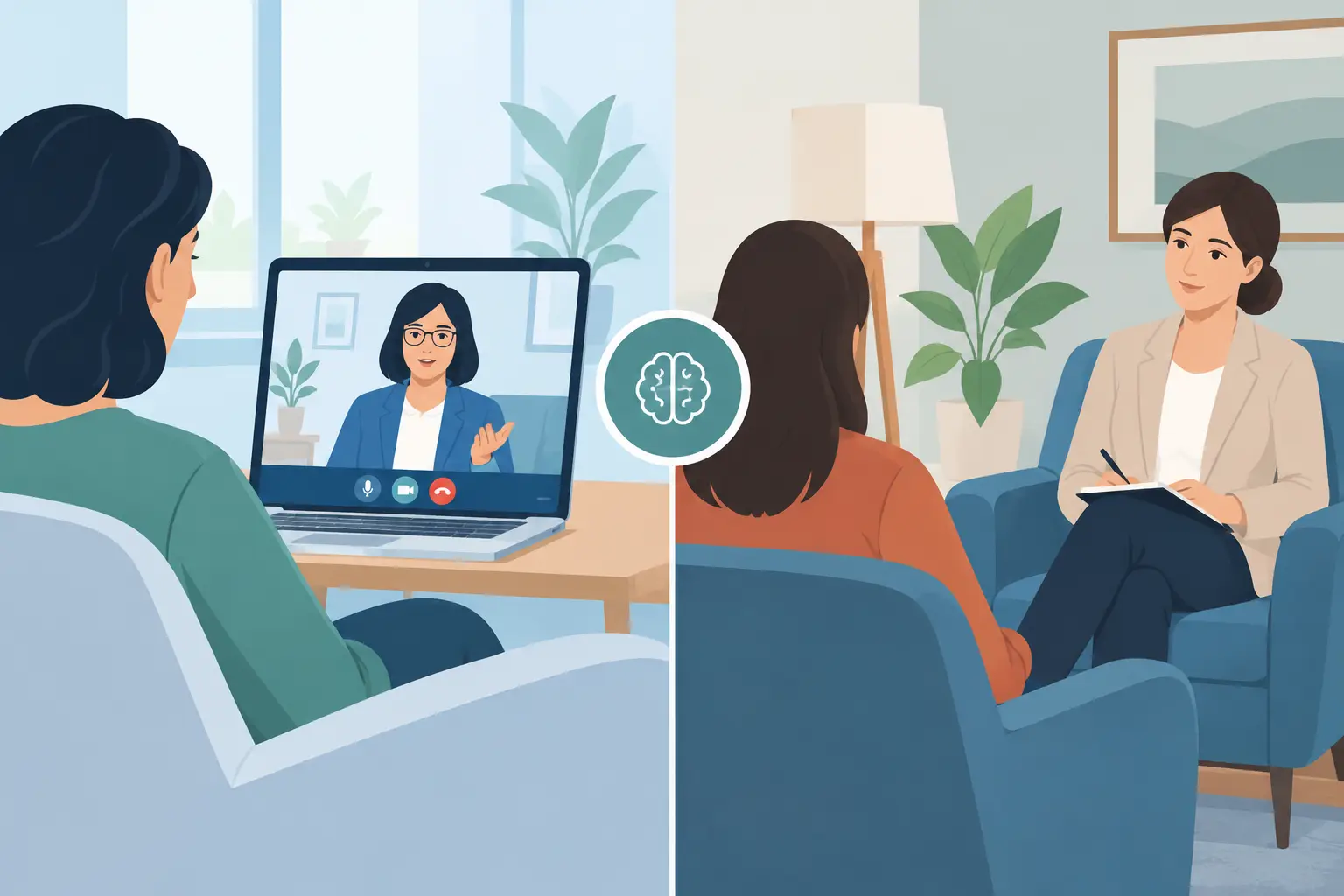
For Florida residents, Psychiatric Care Associates provides secure telehealth psychiatric care for postpartum and reproductive mental health concerns. Telehealth can make it easier to seek evaluation and ongoing support without adding a long drive or arranging extensive childcare. A listening-first appointment should make room for your symptoms, your recovery, and the daily realities that shape what treatment can realistically look like.
Know When to Seek Urgent Help
Postpartum anxiety can feel alarming, but there are times when immediate support is needed. Seek urgent help through 988, 911, or the nearest emergency department if you are thinking about harming yourself or someone else, feel unable to keep yourself or your baby safe, are hearing or seeing things others do not, feel severely confused, or have gone an extended time with little or no sleep and feel increasingly energized, agitated, or disconnected from reality.
These symptoms can signal a psychiatric emergency, including postpartum psychosis, which requires immediate care. Asking for emergency help is an act of protection for you and your family.
You deserve care that sees more than a worried parent. With honest support, practical adjustments, and treatment that fits your life, anxiety does not have to be the voice that shapes your postpartum days.